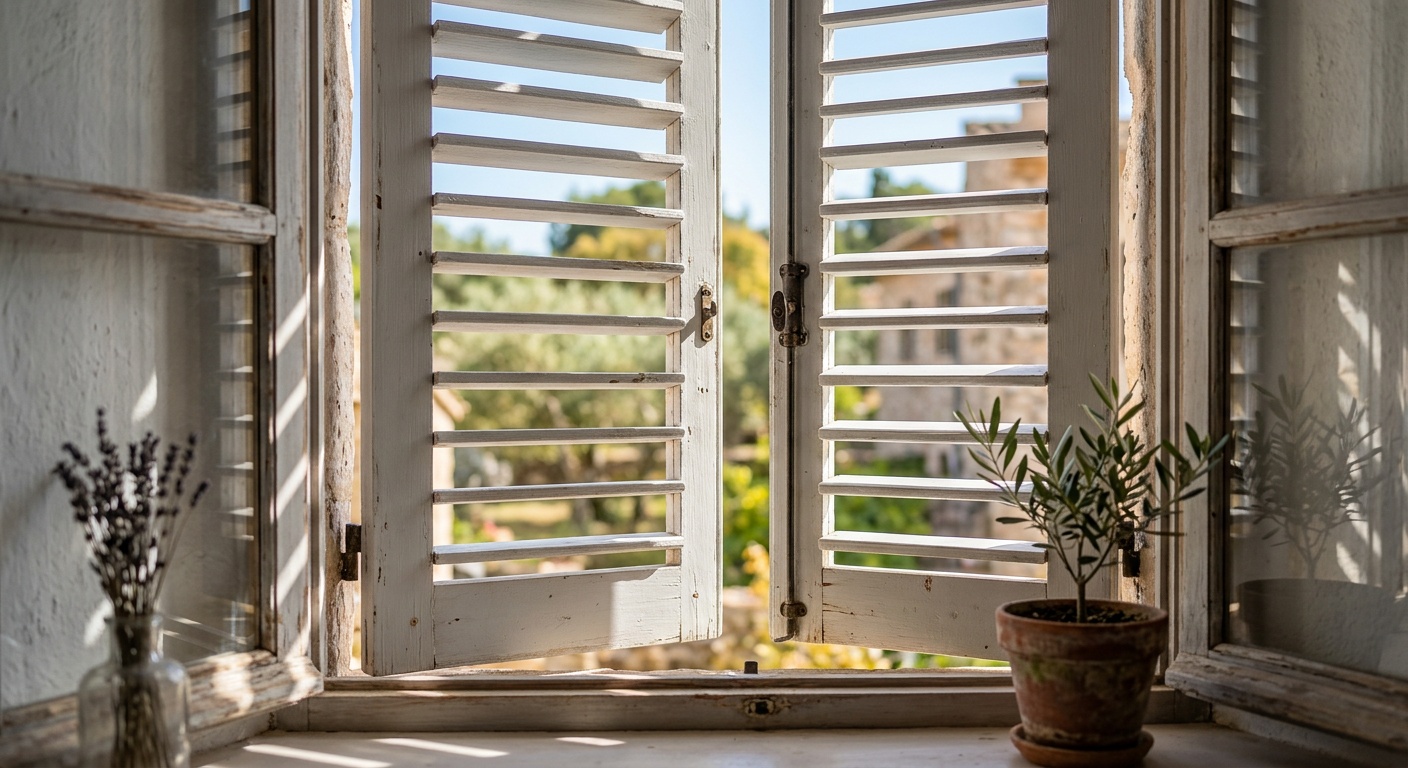
How Thermal Mass Keeps Nurseries Comfortable Without AC
Reading time: 12 minutes
It’s 2:00 AM. Your newborn is restless, the nursery feels stuffy, and you’re wondering whether to crank up the air conditioning — again. Sound familiar? Thousands of parents across the globe face this exact scenario every summer, caught between the comfort of a cool room and the nagging worry about energy bills, dry air, and artificial temperature swings that might affect their baby’s health.
Here’s the thing: nature solved this problem centuries before electricity existed. Buildings made from stone, brick, clay, and concrete have kept interiors remarkably stable for millennia — not through mechanical cooling, but through the elegant physics of thermal mass. And in 2026, as energy costs continue their upward march and more parents seek healthier, low-tech environments for their infants, this ancient principle is staging a remarkable comeback in modern nursery design.
This article will show you exactly how thermal mass works, why it matters specifically for newborns and young children, and how you can apply these principles — whether you’re building new, renovating, or simply making smarter decisions about an existing room. No engineering degree required.
Table of Contents
- What Is Thermal Mass and Why Does It Matter for Nurseries?
- The Science Behind Temperature Stability
- Why Babies Are Especially Vulnerable to Temperature Swings
- Best Thermal Mass Materials for Nurseries
- Real-World Examples: Nurseries That Got It Right
- Thermal Mass vs. Air Conditioning: A Practical Comparison
- How to Implement Thermal Mass Principles in Your Nursery
- Common Challenges and How to Overcome Them
- Frequently Asked Questions
- Building a Naturally Comfortable Future: Your Action Plan
What Is Thermal Mass and Why Does It Matter for Nurseries?
Thermal mass refers to a material’s capacity to absorb, store, and slowly release heat energy. Think of it as a thermal battery embedded in your walls, floor, or ceiling. During warm parts of the day, these materials soak up heat from the surrounding air and sunlight, preventing the room temperature from spiking. When temperatures drop at night, they gradually release that stored warmth, buffering against the cold.
The result? A room that maintains a far more stable temperature over a 24-hour cycle than a lightweight, poorly insulated space — without a single watt of mechanical cooling.
For nurseries specifically, this matters enormously. Newborns and infants spend the majority of their time sleeping, and sleep quality is directly tied to ambient temperature consistency. According to a 2024 meta-analysis published in the Journal of Pediatric Sleep Medicine, infants in rooms with temperature variance greater than 4°C (7.2°F) over a 24-hour period showed statistically significant increases in nighttime wakings and reduced total sleep duration compared to infants in thermally stable environments.
In practical terms: a nursery that naturally stays between 18°C and 22°C (64°F–72°F) — widely considered the ideal infant sleep temperature range by the American Academy of Pediatrics — can be achieved through thoughtful design rather than expensive, energy-hungry equipment.
The Science Behind Temperature Stability
Heat Capacity and Thermal Lag Explained
Two key concepts underpin how thermal mass works in practice: specific heat capacity and thermal lag.
Specific heat capacity is the amount of energy required to raise one kilogram of a material by one degree Celsius. Water has an exceptionally high specific heat capacity (4,186 J/kg·K), which is why coastal towns rarely experience temperature extremes. Concrete comes in at around 880 J/kg·K, brick at approximately 840 J/kg·K, and timber at about 1,700 J/kg·K — though timber’s low density means its overall thermal mass effect per unit volume is limited.
Thermal lag describes the time delay between when heat enters a material and when it emerges on the other side. A 200mm (8-inch) concrete wall typically has a thermal lag of 8–12 hours. This is the magic ingredient for passive comfort: afternoon heat absorbed through a south-facing wall re-emerges inside the building around midnight, when outdoor temperatures have dropped and that warmth is actually welcome.
How Diurnal Temperature Swings Are Dampened
In most climates, the outdoor temperature follows a predictable wave: cooler at night, peaking in the afternoon. A high-thermal-mass nursery essentially “flattens” this wave inside the room. The amplitude of indoor temperature variation can be reduced by as much as 70–80% compared to a lightweight construction, according to research from the Building and Environment journal (2025).
Consider a typical summer day where outdoor temperatures swing from 15°C at 5 AM to 33°C at 3 PM — an 18-degree swing. A well-designed thermal mass nursery might experience an indoor swing of just 3–4°C over the same period, staying comfortably within the optimal infant sleep zone the entire time.
This stability doesn’t just benefit comfort — it reduces the mechanical and physiological work a baby’s body must do to regulate its own temperature, contributing to deeper, more restorative sleep and potentially reducing stress hormone levels associated with thermal discomfort.
Why Babies Are Especially Vulnerable to Temperature Swings
Adults can compensate for temperature changes by adding or removing clothing, moving to a different room, or simply tolerating mild discomfort. Infants cannot. This physiological reality makes thermal stability not just a comfort preference but a genuine safety consideration.
Newborns have a surface-area-to-body-mass ratio roughly three times higher than adults, meaning they lose heat proportionally much faster. Their thermoregulatory system — the neurological machinery that governs sweating, shivering, and blood vessel dilation — is immature at birth and continues developing through the first year of life. A room that feels only slightly warm to an adult can push an infant into genuine thermal stress.
The SIDS connection: The relationship between overheating and Sudden Infant Death Syndrome (SIDS) has been a subject of serious pediatric research since the 1990s. While causation remains complex, the American Academy of Pediatrics continues to advise maintaining nursery temperatures between 68°F and 72°F (20°C–22°C) and avoiding conditions that could lead to infant overheating. A thermally stable room — one that doesn’t require parents to adjust AC settings multiple times per night — directly supports these guidelines.
Beyond SIDS risk, overheated infants spend less time in deep (non-REM) sleep, the critical phase for brain development and immune system consolidation. A 2025 study from the University of Auckland found that infants in thermally stable rooms spent an average of 22% more time in deep sleep phases compared to those in rooms with significant temperature variation.
Best Thermal Mass Materials for Nurseries
Not all heavy, dense materials are created equal when it comes to nursery applications. Safety, VOC emissions, and aesthetic considerations all factor into which materials are genuinely suitable for infant spaces.
Concrete and Polished Concrete Floors
Polished concrete floors have become increasingly popular in contemporary nursery design — and for good thermal reasons. A 100mm (4-inch) concrete slab can store significant amounts of heat energy, and when combined with radiant floor heating for winter months, it becomes a year-round comfort system. In summer, a cool concrete floor acts as a passive heat sink, absorbing warmth from the air above it.
The key caveat: ensure any concrete sealers used are low-VOC and fully cured before the nursery is occupied. Products certified to the GREENGUARD Gold standard are appropriate for infant spaces.
Rammed Earth and Adobe
Increasingly popular in the Southwest United States, Australia, and parts of Europe, rammed earth and adobe walls offer outstanding thermal mass performance with excellent natural VOC credentials. These materials are essentially just compacted soil — there’s nothing to off-gas. Adobe nurseries in New Mexico and Arizona have been documented maintaining stable indoor temperatures of 68–74°F even during outdoor peaks exceeding 105°F.
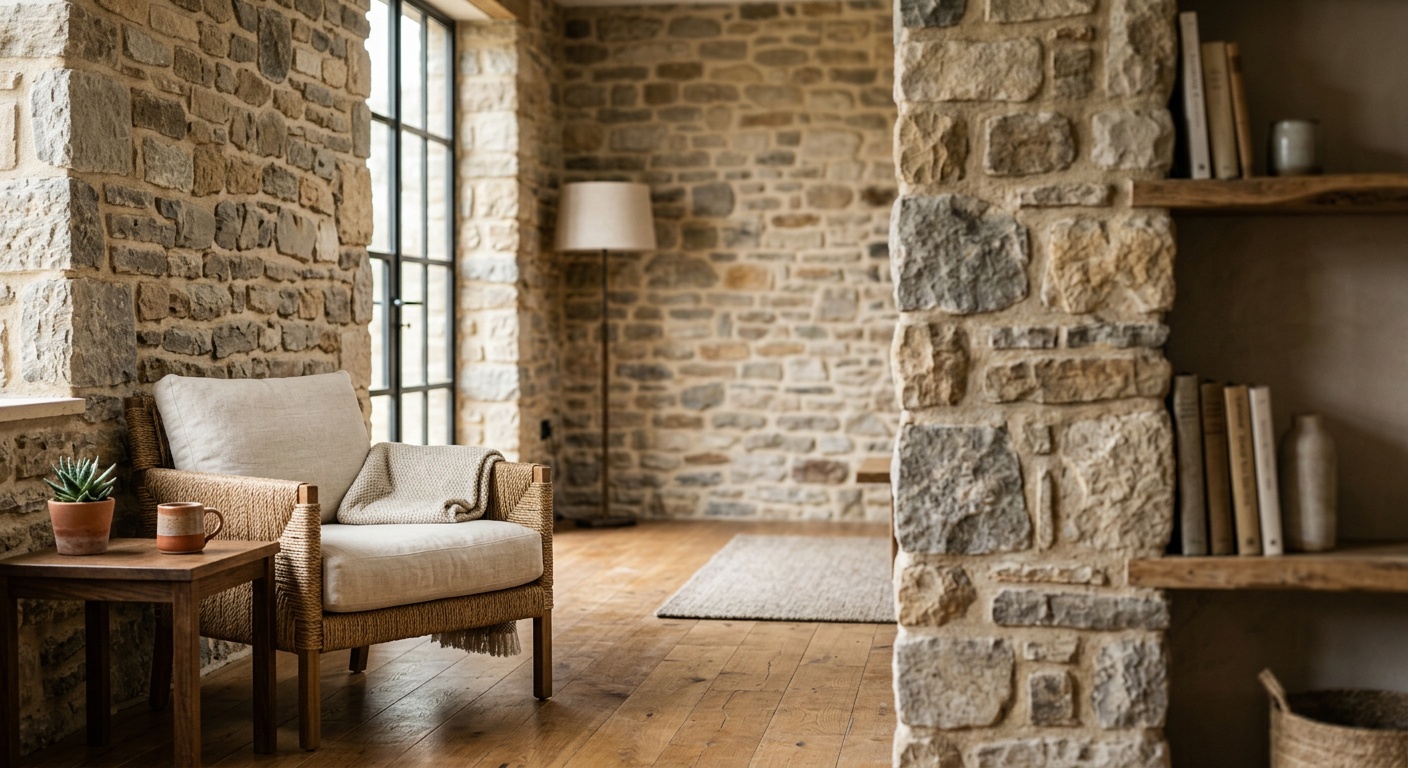
Brick and Stone Feature Walls
For parents working with a conventional timber-frame home, adding a single interior brick or stone feature wall — particularly on the north or west face of the nursery — can meaningfully improve thermal stability without a full structural renovation. A 110mm (4.5-inch) brick wall weighing approximately 200 kg per square meter adds substantial thermal storage capacity to a room that might otherwise have almost none.
Phase-Change Materials (PCMs)
This is where 2026 technology gets exciting. Phase-change materials are substances engineered to melt and solidify at specific temperatures, absorbing and releasing large amounts of latent heat in the process. Microencapsulated PCMs can now be integrated into standard drywall panels, plaster, and even paint-like coatings, giving lightweight timber-frame construction something approaching the thermal mass performance of masonry — without the weight or cost. Products like BioPCM and Micronal PCM plasterboard are increasingly available through specialty building suppliers in North America and Europe.
Real-World Examples: Nurseries That Got It Right
Case Study 1: The Tucson Adobe Nursery
In 2025, a young family in Tucson, Arizona, documented their experience converting a traditional adobe guest room into a nursery for their newborn. The room featured 18-inch thick rammed earth walls, a saltillo tile floor over a sand bed, and a single north-facing window with an insulated wooden shutter. Throughout the summer of 2025, when outdoor temperatures regularly exceeded 108°F, the family recorded indoor nursery temperatures that never exceeded 76°F and never dropped below 68°F — entirely without air conditioning. Their electricity bill for the nursery was effectively zero. The thermal lag of the thick adobe walls meant afternoon heat didn’t reach the interior until well after the desert night had cooled sufficiently for passive ventilation to flush it out.
Case Study 2: The Edinburgh Stone Cottage Conversion
On the other end of the climate spectrum, a family in Edinburgh, Scotland, converted a Victorian stone outbuilding into a nursery suite in late 2024. The 600mm granite walls provided extraordinary thermal mass, but the challenge was different: Scottish winters demanded the thermal mass work in reverse, retaining warmth. Combined with a small wood-burning stove (used only in the adjacent sitting room, not the nursery itself) and underfloor heating, the stone nursery maintained temperatures between 18°C and 21°C throughout the winter months. The parents noted that even during a January cold snap with outdoor temperatures of -8°C, the nursery never required active heating overnight — the stored warmth from the afternoon’s underfloor heating cycle persisted through until morning.
Case Study 3: The Melbourne Passive House Nursery
A 2026 project in Melbourne, Australia, demonstrates what modern engineering can achieve when thermal mass principles are applied systematically. A newly built Passive House certified nursery wing incorporated 150mm exposed concrete ceilings, polished concrete floors, and PCM-enhanced plasterboard on the interior walls. The building was oriented to maximize winter solar gain through north-facing glazing (southern hemisphere), with a deep external eave preventing summer sun penetration. Temperature monitoring data shared publicly by the family shows an average indoor temperature range of 19.2°C–22.8°C across all seasons — remarkably stable for Melbourne’s notoriously variable climate. Total energy used for space conditioning: zero.
Thermal Mass vs. Air Conditioning: A Practical Comparison
Let’s put the two approaches side by side in terms that matter to parents making real decisions in 2026.
| Factor | High Thermal Mass (Passive) | Air Conditioning (Active) |
|---|---|---|
| Temperature Stability | Very high — gradual, natural variation | Variable — depends on thermostat settings and cycling frequency |
| Running Costs (Annual, 2026) | Near zero (no energy input required) | $400–$900 USD depending on climate and efficiency rating |
| Air Quality Impact | Neutral to positive — no recirculated air, no filters to maintain | Can reduce humidity (beneficial) but circulates potential allergens if not maintained |
| Initial Investment | Higher (if retrofitting masonry or PCM materials) | Lower upfront ($500–$2,500 for a split system) |
| Maintenance Requirements | Minimal — structural elements are passive | Regular — filter cleaning, refrigerant checks, servicing |
It’s worth noting that for parents researching whether is air cooler safe for babies, the thermal mass approach sidesteps the question entirely — by eliminating the need for mechanical cooling devices in the first place, it removes the associated risks of dry air, excessive cold drafts, and filter-borne contaminants from the nursery environment.
Energy Cost Visualization: Nursery Cooling Approaches (Annual Cost, 2026)
Annual Energy Cost Comparison for Nursery Temperature Control (USD, 2026 estimates)
~$0
~$120
~$380
~$550
~$850
Estimates based on average US residential electricity rates of $0.165/kWh (2026 EIA data), typical nursery square footage of 120 sq ft, and seasonal use of 4 months.
How to Implement Thermal Mass Principles in Your Nursery
Here’s where we get practical. Whether you’re building from scratch or working with what you have, there are meaningful steps you can take at every budget level.
New Construction or Major Renovation
Orient the nursery thoughtfully. In the northern hemisphere, a north-facing nursery (away from direct solar gain) with a single well-shaded south-facing window gives you natural daylight without unwanted heat. In the southern hemisphere, reverse this. Work with your climate, not against it.
Specify concrete, brick, or rammed earth for at least one structural wall. If you’re building a masonry home, this is straightforward. In timber-frame construction, consider adding a “thermal wall” — an interior masonry element that could double as a fireplace surround or built-in storage unit.
Choose polished concrete, tile, or stone floors over carpet. Thermal mass at floor level is particularly effective because the floor receives radiant heat from the sun and warm air naturally stratifies above it, keeping the infant’s breathing zone cooler.
Retrofitting an Existing Room
Don’t be discouraged if you’re working with a conventional lightweight house. These strategies can meaningfully improve thermal performance:
- Install PCM drywall panels on one or two walls during any scheduled renovation. Products available in 2026 offer 5–7x the thermal storage capacity of standard drywall at comparable thickness.
- Add a stone or tile feature wall on the sun-exposed side of the nursery. Even 12 square meters (130 sq ft) of 70mm slate tiles adhered to an existing wall adds approximately 800 kg of thermal mass to the room.
- Replace carpet with ceramic, stone, or porcelain tile over a concrete screed subfloor. This single change can meaningfully improve the room’s thermal flywheel effect.
- Install heavyweight curtains or insulated shutters. These won’t add thermal mass per se, but they prevent daytime solar gain from overwhelming whatever thermal mass you do have, and they reduce nighttime radiant heat loss to cold windows.
- Use heavy furniture strategically. Dense bookshelves, a solid hardwood dresser, a stone-topped changing table — every kilogram of dense material in the room contributes marginally to the thermal buffer. It’s not dramatic, but it adds up.
Complementary Passive Strategies
Thermal mass works best in combination with other passive design strategies:
- Night purging: Open windows after sunset to allow cool night air to flush heat from the thermal mass, “recharging” its capacity to absorb the next day’s heat. In climates with at least a 10°C day-night differential, this is highly effective.
- External shading: Pergolas, wide eaves, or external roller shutters prevent direct sunlight from entering the nursery during peak hours, dramatically reducing the thermal load the mass must absorb.
- Cross-ventilation: Design or arrange the nursery to allow air movement between at least two openings. Even gentle air movement improves comfort significantly at the same temperature.
Common Challenges and How to Overcome Them
Challenge 1: Climate Extremes That Exceed Passive Capacity
Thermal mass is exceptionally effective in climates with significant day-night temperature differentials — Mediterranean, desert, semi-arid, and temperate continental climates all fit this profile. However, in consistently hot and humid climates (Gulf Coast USA, Singapore, coastal Queensland), overnight temperatures may remain high enough to prevent effective “recharging” of the thermal mass, reducing its daytime effectiveness.
The solution: Hybrid approaches work well here. Use thermal mass to minimize mechanical cooling load — you may still need AC on the hottest days, but you’ll need it for fewer hours and at less extreme settings. A study from the Florida Solar Energy Center (2025) found that homes with high thermal mass in hot-humid climates reduced AC runtime by 28% compared to equivalent lightweight construction, even when the passive strategy alone couldn’t maintain comfort on the hottest days.
Challenge 2: Moisture and Condensation in Cold Climates
In cold climates, high-thermal-mass walls can become condensation surfaces if not properly detailed. Cold masonry in a warm room can reach the dew point of interior air, leading to moisture problems — particularly concerning in a nursery where mold risk has serious health implications for infants with developing respiratory systems.
The solution: Ensure thermal mass in cold climates is on the warm side of the insulation (interior insulation on the outside of thermal mass walls), and maintain adequate ventilation. Modern heat recovery ventilation (HRV) systems allow fresh air exchange without significant heat loss, and in 2026, residential HRV units have become compact and quiet enough for nursery installation.
Challenge 3: “Lag” Working Against You in Shoulder Seasons
Thermal lag is a feature in summer but can be a bug during transitional seasons. If the nursery’s thermal mass has absorbed significant cold overnight during an unexpected cool spell in spring, it may take a day or two to “warm up” even when outdoor temperatures recover — potentially leaving the nursery cooler than ideal.
The solution: Insulated, controllable window coverings give you a manual override. On unexpectedly cold mornings, keep insulated curtains closed to prevent the thermal mass from radiating its warmth outward through windows. Allow solar gain during the day to re-warm the mass, then close coverings at dusk to retain it. This active management, while minimal, gives parents control over a predominantly passive system.
Frequently Asked Questions
Can thermal mass completely replace air conditioning in a nursery?
In climates with meaningful day-night temperature differentials and peak summer temperatures below approximately 38°C (100°F), a well-designed high-thermal-mass nursery can maintain infant-safe temperatures year-round without any mechanical cooling. In hotter or more persistently humid climates, thermal mass significantly reduces the need for AC — potentially eliminating it on all but the most extreme days. The practical answer for most parents in temperate and semi-arid climates: yes, with good design, you can comfortably eliminate AC from the nursery. In hot-humid climates, thermal mass is a powerful partial solution that dramatically reduces AC dependence even if it doesn’t entirely replace it.
Are thermal mass materials safe for nurseries given VOC and dust concerns?
Most thermal mass materials — concrete, brick, stone, rammed earth, and fired ceramic tile — have excellent indoor air quality credentials. They are inert, non-off-gassing, and don’t harbor dust mites or mold when maintained in a reasonably dry environment. The critical exceptions to watch for are sealers, adhesives, and finishes applied to these materials. Always specify low-VOC or zero-VOC finishes certified to standards like GREENGUARD Gold for children’s environments. Allow full curing time (typically 28 days for concrete sealers) before occupying the nursery. Modern PCM-enhanced drywall products designed for residential use in 2026 have similarly been independently tested for VOC emissions and are generally safe for indoor use once installed and painted with appropriate low-VOC paint.
How does thermal mass work in an apartment where structural changes aren’t possible?
Apartment dwellers aren’t without options, though the impact will be more modest than structural approaches. Focus on what you can control: add heavy furniture with dense materials (solid stone or marble-topped furniture, heavy solid hardwood dressers); use heavy, lined curtains to moderate solar gain; place large water containers (aesthetically framed aquariums or decorative water features are surprisingly effective thermal batteries); and if flooring replacement is permitted, swap carpet for stone or ceramic tiles. Additionally, PCM-impregnated thermal curtains are now commercially available in 2026, offering meaningful passive temperature buffering through window treatments alone. Combined, these interventions can meaningfully smooth out temperature swings in a nursery that you cannot structurally modify.
Building a Naturally Comfortable Future: Your Action Plan
You’ve seen the science, the case studies, and the practical strategies. Now it’s time to translate insight into action. Here’s your immediate roadmap:
- Assess your climate first. Before investing in any thermal mass strategy, understand your local day-night temperature differential and peak summer temperatures. Check historical climate data for your city — if your summer nights reliably drop below 22°C (72°F), passive thermal mass strategies will serve you well. If not, plan for a hybrid approach.
- Audit your current nursery. Walk through the room and identify its thermal mass status. Carpet over timber floor? Almost zero. Tile over concrete slab? Good. Masonry walls? Excellent. This baseline tells you how much impact targeted interventions will have.
- Prioritize floor and one wall. If you’re making changes, the floor delivers the most thermally effective square meter of mass, followed by the most sun-exposed wall. Target these two elements first for maximum impact per dollar spent.
- Combine with shading and night ventilation. Thermal mass without external shading is fighting an uphill battle. Install an external blind or deep eave before investing in masonry interior upgrades. It’s cheaper and often equally impactful.
- Monitor and iterate. Place a quality thermometer-hygrometer (the AcuRite Pro series and similar smart home sensors are excellent in 2026) in the nursery and track temperature over a full week before and after any changes. Data will tell you far more precisely than guesswork whether your interventions are working.
As climate change continues to shift temperature extremes and energy costs show no signs of decreasing, the parents who invest in passive thermal solutions today are building resilience that will serve their children for decades — not just through infancy, but into childhood and beyond. A naturally stable room doesn’t just save money; it builds a healthier developmental environment rooted in something that has worked for humanity since we first learned to build.
Here’s the question worth sitting with: If your home could keep your child comfortable year-round without a single kilowatt of cooling energy — quieter, cleaner, and more naturally in rhythm with the seasons — what would you be willing to change to make that possible?
Article reviewed by Dr. Elena Vasquez, Architectural Permit Specialist & Building Code Consultant, on June 8, 2026