Green building. Sustainable materials. Low‑carbon comfort.
The greenest cooling is cooling you don’t need. And the cheapest kilowatt is the one you never use. GreenTech Build Lab covers science‑based, passive strategies for new construction and deep retrofits: building orientation calibrated to your latitude, thermal mass for diurnal heat storage, night flushing for free cooling, natural ventilation paths, super‑insulation, and airtight construction. But we’re also realistic — even a passive house needs active cooling on the hottest 5–10 days of the year. So we cover low‑energy backups: DC ceiling fans (3–5 watts), high‑SEER mini‑splits for single zones, and personal evaporative coolers for home offices, bedrooms, or small additions. No refrigerant leaks, no oversized systems, no wasted energy.
How to Build a Cool Home Without Central AC — 4 Green Strategies
1. Design for passive cooling from day one
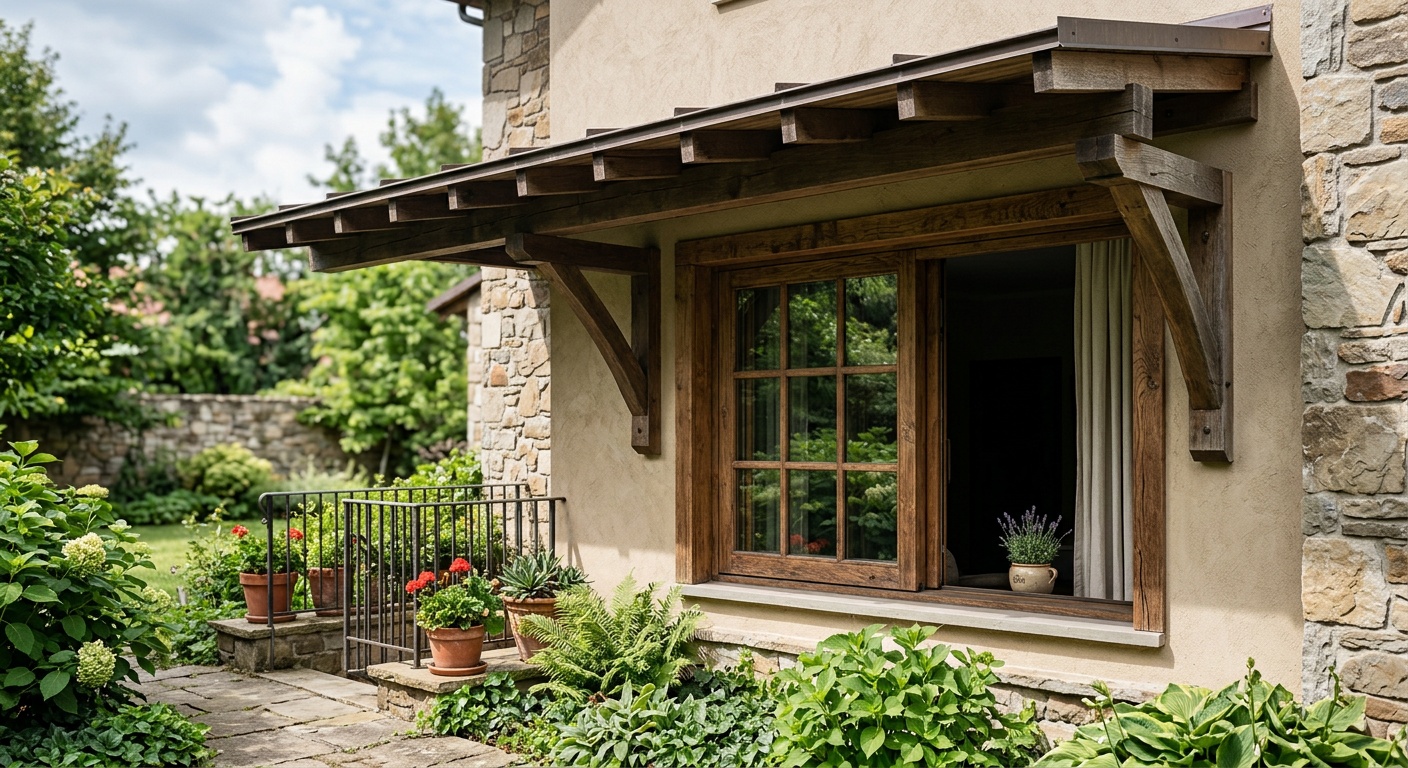
- Orientation: Long axis east‑west. South‑facing windows with overhangs (northern hemisphere). West‑facing windows minimal or shaded.
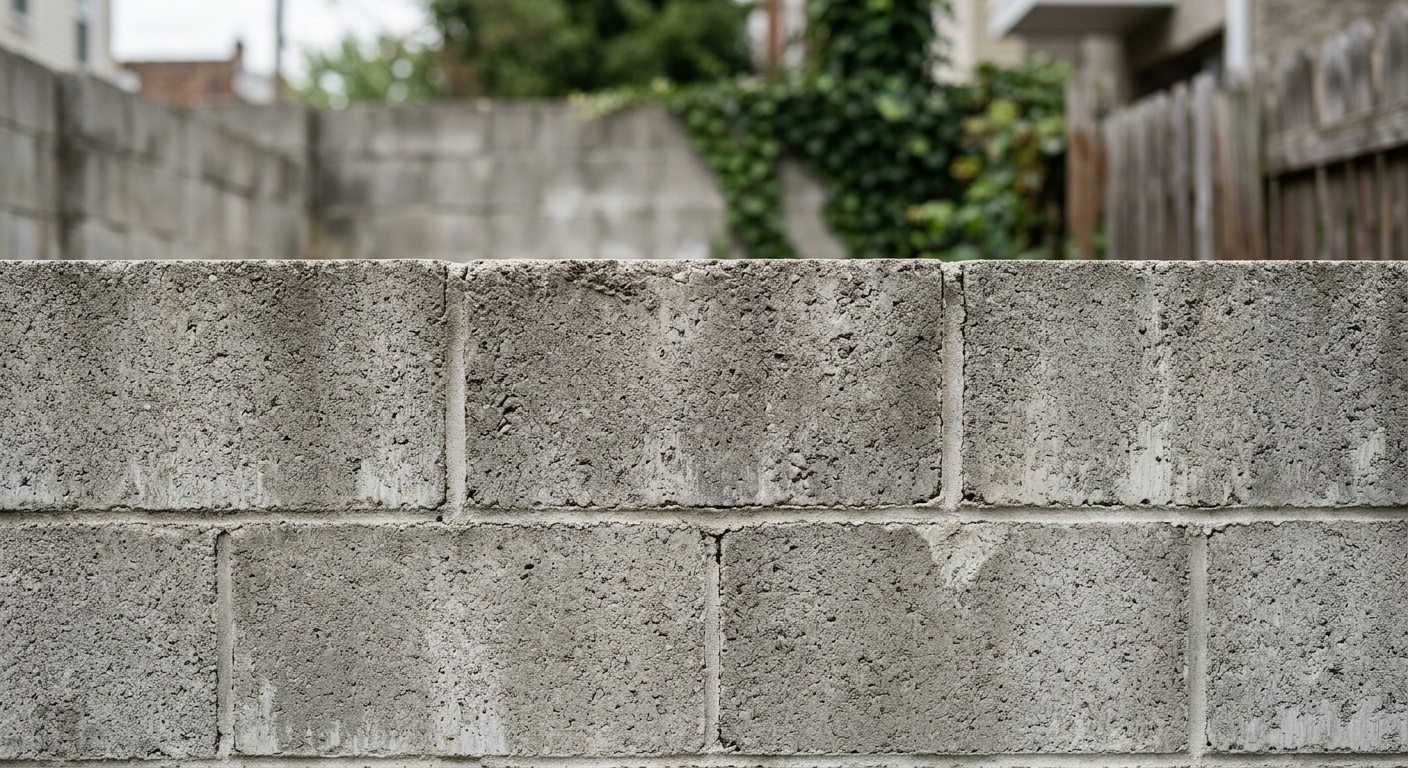
- Thermal mass: Brick, concrete, tile, or stone on floors and interior walls where sun hits. Mass absorbs daytime heat and releases it at night when you open windows.
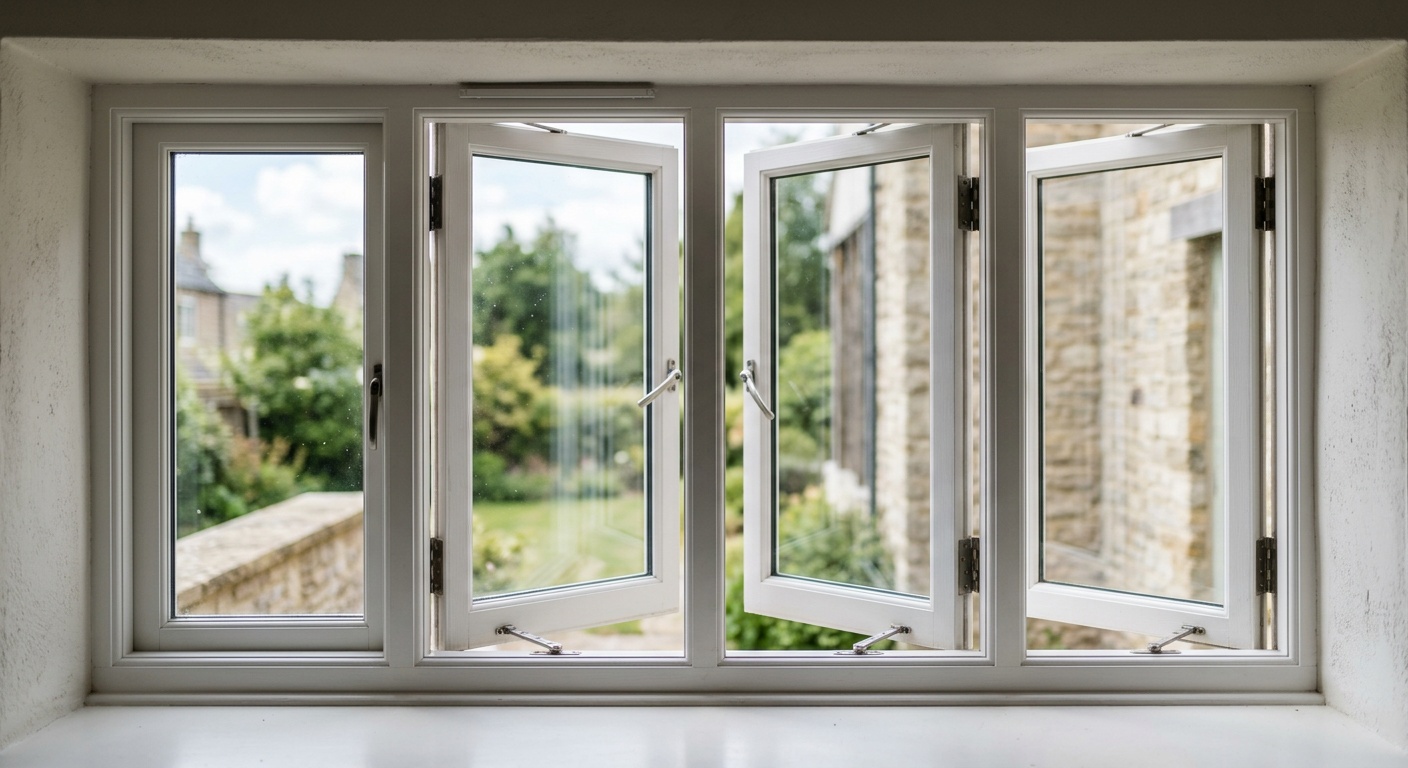
- Night flushing: Operable windows on opposite sides of the house. Open at night (when outside air is cooler), close during the day. Automated or manual.
- Cross‑ventilation: No long, narrow hallways blocking airflow. Place windows and doors to create pressure differences.
2. Super‑insulate the roof, west walls, and floor
- Roof/attic: R‑40 to R‑60.
- Walls: R‑20 to R‑30 (continuous insulation — no thermal bridging).
- Floor over uninsulated crawlspace or slab edge: R‑10 to R‑20.
Where heat comes from: sun (roof and west walls) and ground (slab edge). Insulate there first.
3. Airtight construction with controlled ventilation (ERV/HRV)
Airtightness (0.6 ACH50 or better) keeps hot air out and conditioned air in. Add an energy recovery ventilator (ERV) or heat recovery ventilator (HRV) for fresh air without heat gain. This is how passive houses stay cool without drafts.
4. Low‑energy active cooling for the 5–10% of hours when passive isn’t enough
- DC ceiling fans in every bedroom and living room — 3–5 watts, huge perceived cooling effect.
- Single‑zone mini‑split (20–25 SEER) for the main living area or the hottest bedroom — use only when needed.
- Personal evaporative cooler for a home office, bedside, or desk — 5–10 watts, no refrigerant, effective in dry climates (humidity under 50%). Adds 3–5°C drop within 3–4 feet. Perfect for the 10–15 hottest days of the year when passive + fans aren’t quite enough.
Why GreenTech Build Lab
Science‑based, not greenwashing — Every recommendation comes from building science (ASHRAE, PHIUS, LBNL). No vague “eco‑friendly” claims without data.
Low‑carbon by design — Reduce load first (passive), then serve the remaining load with efficient, small‑scale active systems. This is the lowest‑carbon path.
Built for passive house principles (or close to it) — Even if you don’t certify, these strategies cut cooling energy by 70–90% compared to a standard code home.
What homeowners and builders are saying
“We built with passive cooling first — orientation, mass, night flushing, super‑insulation. On 35°C days, the house stays at 26°C without any active cooling. On the three hottest days of the year (38–40°C), we run a small personal cooler in the home office and a fan in the bedroom. That’s it. No AC. Our cooling energy is zero 95% of summer days.” — Alex K., green builder, Colorado
“Your guide helped us skip central AC entirely. We use DC ceiling fans in every room and one mini‑split in the main living area that we run maybe 10 days a year. The home office gets a personal evaporative cooler on the desk. Our energy bill is 70% lower than neighbors with similar square footage. And we have no refrigerant leaks to worry about.” — Nina & Mark, passive house owners, Northern California
“I’m an architect and I still learned from your passive cooling section. The night flushing calcs and overhang depth tables were exactly what I needed for my own home design. Thank you for writing this.” — Sarah L., architect, Texas
Read the full green building cooling guide with passive design calculators, insulation tables, and product recommendations — free, no email required.