Whole-House Energy Audit: What to Expect and How to Prepare
Reading time: 14 minutes
Ever opened your energy bill and felt that sinking feeling — the one where numbers seem impossibly high but the cause feels invisible? You’re far from alone. In 2026, American households are spending an average of $2,400 annually on energy costs, according to the U.S. Energy Information Administration — and studies suggest that 20–30% of that is pure waste, leaking through drafty attics, inefficient appliances, and poorly sealed windows.
A whole-house energy audit is the diagnostic tool that changes everything. Think of it as a full-body physical exam for your home — but instead of checking your cholesterol, a certified energy auditor is hunting down energy vampires hiding in your walls, ducts, and basement. The result? A clear, actionable roadmap to slash your bills, improve comfort, and future-proof your home against rising energy costs.
Here’s the honest truth: most homeowners skip the audit because they don’t know what it involves, how much it costs, or how to prepare. This guide fixes all of that. Let’s turn energy confusion into confident, money-saving action.
Table of Contents
- What Is a Whole-House Energy Audit?
- Why 2026 Is the Perfect Year to Get One
- Types of Energy Audits Explained
- What to Expect During the Audit
- How to Prepare Your Home (and Yourself)
- Real-World Results: Two Case Studies
- Cost vs. Savings: The Numbers That Matter
- Energy Loss Breakdown: Where Your Money Goes
- Audit Type Comparison Table
- 3 Common Challenges and How to Overcome Them
- Frequently Asked Questions
- Your Energy Efficiency Roadmap: Next Steps
What Is a Whole-House Energy Audit?
A whole-house energy audit — sometimes called a home energy assessment — is a comprehensive evaluation of your home’s energy performance. A trained auditor examines everything from your insulation and HVAC system to your windows, appliances, lighting, and even your behavioral energy patterns. The goal is simple: find where energy is being wasted and recommend solutions ranked by cost-effectiveness and impact.
Unlike a quick online calculator or a utility company’s basic checklist, a professional audit uses specialized diagnostic equipment — including blower door tests, infrared thermography cameras, and combustion safety analyzers — to build a precise picture of your home’s energy profile. The output is a detailed report that prioritizes upgrades so you know exactly where to invest first.
The Science Behind the Audit
Energy auditors are essentially building detectives. They understand that energy loss in a home is systemic — a problem in one area often affects others. For example, a poorly insulated attic doesn’t just make your upstairs hot in summer; it forces your HVAC system to work harder, accelerating wear and increasing your electricity bill simultaneously. Auditors are trained to see these cascading relationships and recommend holistic solutions rather than isolated fixes.
The blower door test is the audit’s centerpiece. A large fan is mounted in an exterior door frame, depressurizing the home to a standard pressure. This reveals exactly how much air leaks in and out — measured in Air Changes per Hour (ACH). The 2026 Energy Star standard for new homes is 3 ACH or less; many older homes test at 8–12 ACH, meaning their entire air volume cycles out multiple times per hour through cracks and gaps.
Who Should Get One?
While any homeowner can benefit, energy audits are especially valuable if: your home is more than 15 years old, your energy bills have increased more than 10% year-over-year, you’ve noticed uneven temperatures between rooms, your HVAC system runs constantly without maintaining comfort, or you’re planning significant renovations and want to sequence your investments wisely. In 2026, with energy prices averaging 12% higher than in 2023, the return on audit investment has never been more compelling.
Why 2026 Is the Perfect Year to Get One
Here’s something most homeowners don’t know: the Inflation Reduction Act’s residential energy efficiency provisions — significantly expanded through 2025 legislation — now offer federal tax credits of up to $150 for the audit itself, plus credits of 30% (up to $1,200 per year) on qualifying improvements like insulation, air sealing, and heat pumps identified by the audit. These credits are non-refundable but stackable across multiple tax years through 2032, making a systematic, audit-driven upgrade plan extremely financially attractive.
Additionally, many states in 2026 are running enhanced rebate programs through their public utility commissions. California’s Home Energy Savings Program, New York’s Comfort Home program, and Massachusetts’ Mass Save initiative all offer zero-interest financing and additional rebates on top of federal credits — sometimes covering 50–80% of audit and improvement costs for moderate-income households.
Pro Tip: Check the Database of State Incentives for Renewables and Efficiency (DSIRE) at dsireusa.org before scheduling your audit. Knowing your available incentives upfront helps your auditor prioritize recommendations that maximize your rebate eligibility.
Types of Energy Audits Explained
Not all audits are created equal. The depth of analysis — and the cost — varies significantly. Understanding the three primary types helps you choose the right level for your situation.
Level 1 – Walk-Through Assessment: A visual inspection and review of utility bills. Takes 1–2 hours, costs $0–$150 (often free through utilities). Good for: identifying obvious issues and deciding if a deeper audit is warranted.
Level 2 – Diagnostic Audit: The most common professional audit. Includes blower door test, combustion safety checks, infrared scanning, and a comprehensive report with prioritized recommendations. Takes 3–5 hours, costs $300–$600. Good for: most homeowners serious about improvement.
Level 3 – Investment-Grade Audit: Used primarily for commercial properties or major renovation projects. Includes detailed energy modeling, life-cycle cost analysis, and engineering-grade reports. Takes multiple visits, costs $1,000+. Good for: landlords, high-efficiency home builders, or deep energy retrofit projects.
For most readers, the Level 2 diagnostic audit represents the sweet spot of cost, time, and actionable insight. That’s what the remainder of this article primarily addresses.
What to Expect During the Audit
Knowing what happens during an audit removes the anxiety and helps you get more value from the process. Here’s a realistic, hour-by-hour breakdown of what a typical Level 2 audit looks like.
Phase 1: Pre-Audit Interview (30–45 Minutes)
Your auditor will start with a structured conversation — not small talk. They’ll ask about your comfort complaints (which rooms are too hot, too cold, too humid?), your utility bill history, your appliances, your HVAC maintenance schedule, and any recent renovations. This contextual information helps them know where to look most carefully. Honest, specific answers here directly improve your audit quality. If you know that back bedroom has been drafty since 2023 — say so immediately.
The auditor will also review 12–24 months of utility bills to establish baseline consumption patterns. Many utilities now provide this data digitally through the Green Button standard — you can often download it from your account portal and have it ready in advance.
Phase 2: Interior Inspection (60–90 Minutes)
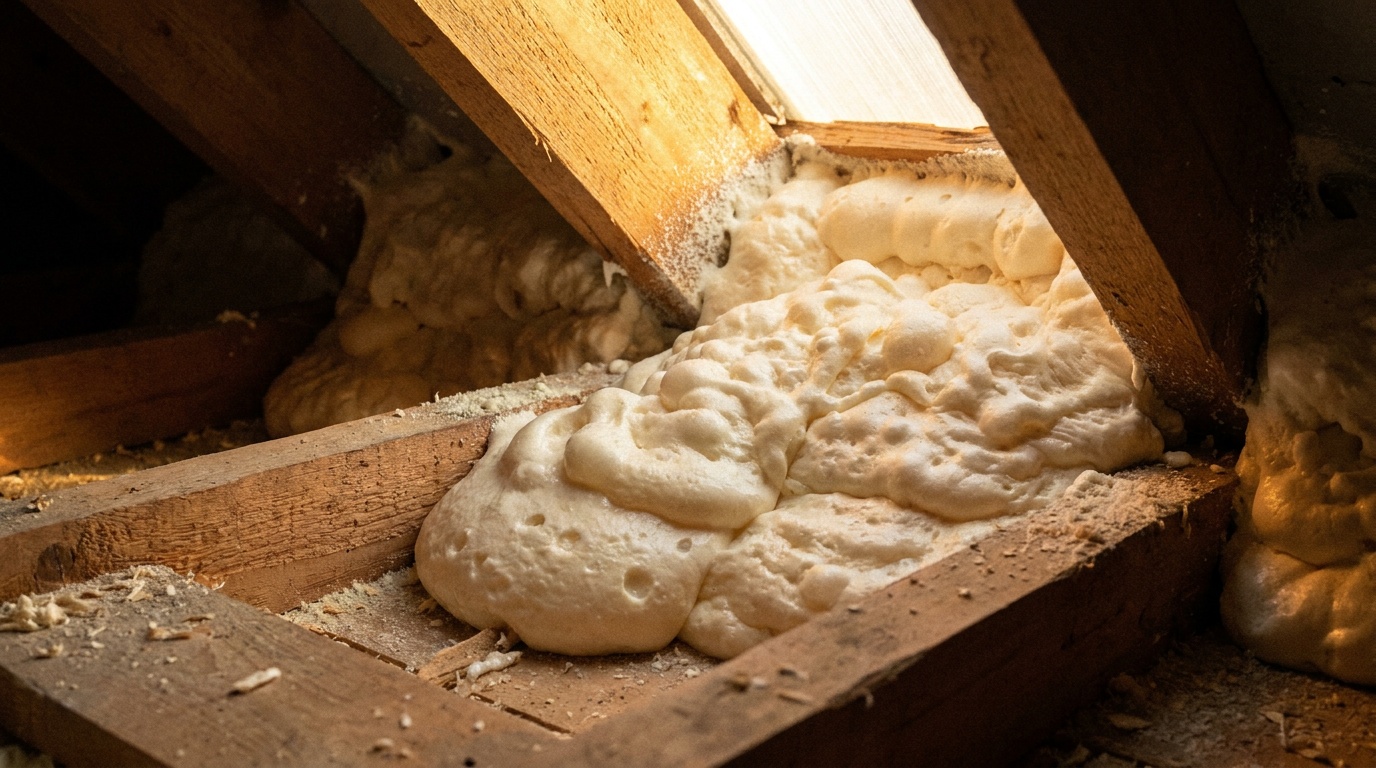
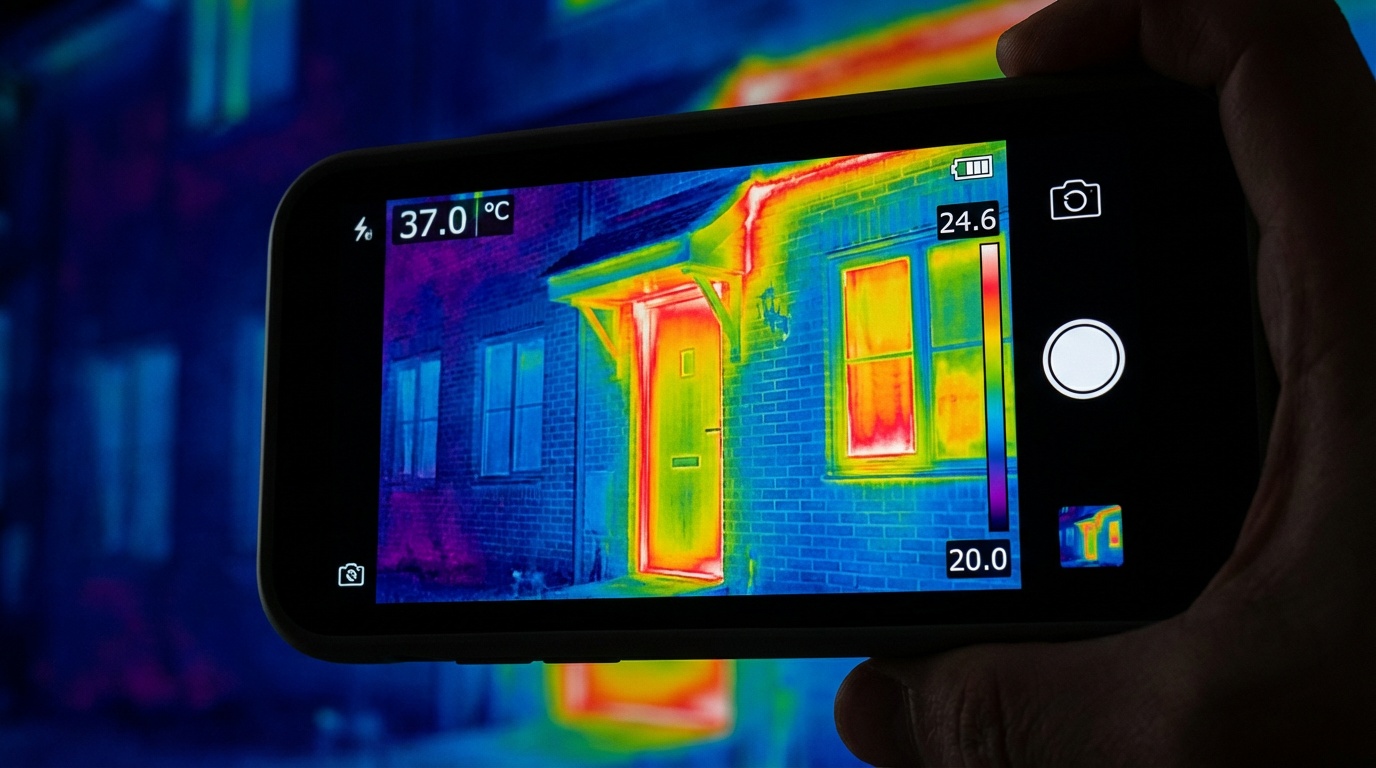
The auditor will systematically move through your home, checking: attic insulation depth and coverage, basement and crawl space conditions, HVAC system age and condition, ductwork integrity, water heater efficiency, window and door sealing, electrical panel and appliance age, and ventilation systems. They’ll use a thermal imaging camera to spot temperature anomalies invisible to the naked eye — cold spots in walls where insulation has settled or failed, warm spots indicating air leaks, and moisture patterns that could signal hidden water intrusion.
During this phase, follow the auditor if possible. Watching them work transforms abstract findings into concrete understanding, and you can ask questions in real-time. Many auditors will show you the infrared camera display — seeing your wall light up blue where the insulation gap is makes the problem viscerally real in a way that a report never quite captures.
Phase 3: Blower Door Test (30–45 Minutes)
This is the audit’s most dramatic moment. The auditor installs a large frame with a calibrated fan in your front door and seals it with a flexible panel. When the fan runs, it depressurizes your house by about 50 Pascals — roughly the pressure of a 20 mph wind on all sides simultaneously. You’ll feel air rushing through every crack, gap, and unsealed penetration.
While the fan runs, the auditor uses a smoke pencil or thermal camera to locate specific air leakage points. Common culprits in 2026 homes include: recessed light fixtures in ceilings, plumbing and electrical penetrations in walls, attic access hatches, fireplace dampers, and rim joist areas in basements. Each finding gets documented and geo-tagged in the report.
Phase 4: Combustion Safety Testing (30 Minutes)
If your home has any gas appliances — furnace, water heater, range, fireplace — the auditor will conduct combustion safety tests. This includes checking for carbon monoxide (CO) production, backdrafting (when combustion gases are drawn back into the home instead of venting out), and proper flue function. In a depressurized home, backdrafting risk increases — which is why this test is critically important and should never be skipped. Carbon monoxide poisoning causes over 400 deaths annually in the U.S., and many cases involve homes that have been partially air-sealed without proper combustion analysis.
Phase 5: Report and Debrief (30–45 Minutes)
Some auditors provide a preliminary verbal debrief on the day of the audit; most deliver a full written report within 3–7 days. The report should include: your home’s current energy use profile, all identified deficiencies with severity rankings, recommended improvements in priority order, estimated cost of each improvement, estimated annual savings for each improvement, and applicable rebates and tax credits. A good auditor won’t just hand you a list — they’ll walk you through the logic of their prioritization.
How to Prepare Your Home (and Yourself)
Preparation is the difference between a good audit and a great one. Here’s your practical pre-audit checklist:
Before the audit day:
- Gather 24 months of utility bills (electricity and gas/propane). Most utilities offer digital download.
- Locate your HVAC system manuals and note the model numbers and installation dates.
- Write down every comfort complaint you have — drafts, hot rooms, cold floors, humidity issues.
- Note the age of major appliances: water heater, HVAC, washer/dryer, refrigerator.
- List any renovations done in the past 10 years.
- Check your state’s DSIRE incentives and note any documentation requirements for rebates.
On audit day:
- Ensure access to all areas: attic, basement, crawl space, utility room, all bedrooms.
- Have pets secured — not just for auditor safety, but because the blower door test can disturb animals.
- Turn off wood stoves and fireplaces at least 2 hours before (embers complicate combustion testing).
- Close all exterior doors and windows — the auditor will need them sealed for blower door testing.
- Plan for 3–5 hours at home. This is not a quick inspection.
- Bring your written questions. Auditors appreciate engaged homeowners.
Quick Scenario: Imagine your auditor discovers that your attic has R-19 insulation when your climate zone recommends R-49. That gap alone could be costing you $300–$500 per year. Knowing this in advance — because you checked your building plans before the audit — means you can ask targeted questions about the best insulation type for your specific attic geometry.
Real-World Results: Two Case Studies
Case Study 1: The 1978 Colonial in Connecticut
The Marchetti family in Hartford scheduled a Level 2 audit in early 2025 after their winter heating bills exceeded $500/month. The audit revealed: a blower door result of 9.2 ACH (nearly 3× the Energy Star threshold), zero insulation in the rim joists, R-11 attic insulation (vs. the recommended R-60 for Zone 5), and an aging oil furnace operating at 68% efficiency. Their auditor prioritized: (1) air sealing rim joists and attic penetrations, (2) adding blown-in attic insulation to R-60, and (3) replacing the furnace with a cold-climate heat pump.
After completing Phase 1 and 2 improvements in summer 2025 — total cost $4,200 before rebates, $1,800 after Connecticut’s rebate program and federal tax credit — their heating bills dropped to $290/month that winter, a 42% reduction. The heat pump replacement, scheduled for 2026, is projected to deliver an additional 25% savings.
Case Study 2: The 2005 Suburban Ranch in Arizona
Marcus and Delia Okonkwo in Phoenix assumed their newer home was efficient. Their audit in 2026 told a different story. While the structure was tighter than most (5.1 ACH), the audit revealed: severely undersized ductwork causing the HVAC to work 35% harder than necessary, radiant heat gain through east and west-facing windows without Low-E coatings, and a water heater set at 140°F (20° higher than needed, adding unnecessary standby losses). The fixes were surprisingly affordable: duct sealing with Aeroseal ($1,100), window films on east/west exposures ($800), and lowering the water heater thermostat (free). Total investment: $1,900. Annual savings: approximately $680 — a 2.8-year payback period.
Cost vs. Savings: The Numbers That Matter
One of the most common hesitations about energy audits is the upfront cost. Let’s put that in clear perspective. A professional Level 2 audit costs $300–$600. Federal tax credits now cover $150 of that. Many utilities offer subsidized or free audits for qualifying customers. The audit itself typically identifies savings opportunities worth 10–30% of annual energy costs — meaning a $2,400/year energy bill household that acts on audit recommendations can save $240–$720 annually, every year, indefinitely.
Even if you invest $5,000 in top-priority improvements after the audit, average payback periods in 2026 — factoring in federal credits and state rebates — typically run 3–7 years, after which every dollar saved goes directly to your bottom line. With energy prices projected to rise 4–6% annually through 2030 according to EIA forecasts, the savings compound over time.
Energy Loss Breakdown: Where Your Money Goes
Understanding where energy escapes your home helps prioritize your post-audit action plan. Here’s how the U.S. Department of Energy characterizes typical residential energy loss in 2026:
Typical Home Energy Loss by Category
Source: U.S. Department of Energy, 2026 Residential Energy Efficiency Data
This visualization makes clear why blower door testing — which quantifies that dominant 35% air leakage category — is so central to the audit process. It’s targeting the single largest source of energy waste in most homes.
Audit Type Comparison Table
| Feature | Level 1 Walk-Through | Level 2 Diagnostic | Level 3 Investment-Grade |
|---|---|---|---|
| Typical Cost (2026) | $0–$150 | $300–$600 | $1,000–$3,000+ |
| Duration | 1–2 hours | 3–5 hours | Multiple visits |
| Blower Door Test | No | Yes | Yes + energy modeling |
| Infrared Thermography | Rarely | Yes | Yes |
| Best For | Initial screening | Most homeowners | Deep retrofits, commercial |
3 Common Challenges and How to Overcome Them
Challenge 1: “The Audit Found Problems I Can’t Afford to Fix Right Now”
This is the most common post-audit disappointment — and it’s entirely surmountable. A good auditor will have ranked your improvements by return-on-investment, not just cost. Start with the free and low-cost wins: lowering your water heater temperature, sealing visible gaps with caulk and weatherstripping, adding programmable thermostat schedules, and replacing incandescent bulbs with LEDs. These actions alone often yield 5–10% savings with zero contractor involvement.
For larger projects, explore utility on-bill financing programs — available in over 30 states in 2026 — where improvement costs are added to your monthly bill at zero interest, with the monthly savings often exceeding the payment. You pay nothing net, and the upgrade is complete. This is the hidden secret of energy efficiency financing that most homeowners never discover.
Challenge 2: Finding a Qualified Auditor
The quality of your audit is only as good as your auditor. In 2026, look for professionals certified by BPI (Building Performance Institute) or who hold a RESNET HERS Rater certification. These are nationally recognized credentials with rigorous training and testing requirements. Avoid “auditors” offered free by contractors who also sell specific products — an independent auditor has no incentive to steer you toward unnecessary upgrades.
The ENERGY STAR Home Advisor tool and your state energy office’s contractor directory are the two most reliable ways to find certified, vetted auditors in your area. Always ask for references from similar-vintage homes, and verify that their standard process includes a blower door test — if it doesn’t, it’s not a real diagnostic audit.
Challenge 3: Navigating the Rebate and Tax Credit Maze
In 2026, the combination of federal tax credits, state rebates, and utility incentives is genuinely powerful — but navigating them requires planning. The critical mistake most homeowners make is completing improvements before confirming eligibility requirements. Some rebates require pre-approval, specific contractor certifications, or particular product specifications (minimum efficiency ratings, for example).
Solution: Before hiring any contractor, create a simple spreadsheet: list each planned improvement, the applicable federal credit percentage, any state rebate amount, and the pre-approval requirements for each. Your auditor should help with this — it’s part of what you’re paying for. The DSIRE database is your authoritative source; check it specifically for your county, not just your state, as local utilities often layer additional incentives on top.
Frequently Asked Questions
How long does a whole-house energy audit take, and do I need to be home the entire time?
A Level 2 diagnostic audit typically takes 3–5 hours from start to finish. Yes, you should plan to be home for the entire duration. Your presence serves two important functions: the auditor needs access to all areas of your home (including locked utility rooms, attics, and crawl spaces), and your direct participation in the process — answering questions, following along, asking your own questions — significantly improves the quality and usefulness of your final report. Some auditors allow you to continue working during the inspection phase, but you should be available for the opening interview and the blower door test briefing.
Will the energy audit cover solar panel installation recommendations?
A traditional whole-house energy audit focuses on the building envelope and mechanical systems — insulation, air sealing, HVAC, water heating, and appliances. Most Level 2 audits will not include a solar feasibility analysis, which requires separate shading analysis and utility rate calculations. However, many auditors in 2026 can refer you to a solar assessment, and importantly, completing your energy efficiency upgrades before sizing a solar system is financially optimal — a more efficient home needs a smaller (cheaper) solar array to achieve net-zero energy goals. Think of the audit as Step 1 in a logical sequence that may eventually include solar.
What if my home is relatively new — is an audit still worth it?
Absolutely, and here’s why: construction quality control is imperfect even in new homes. A 2024 study by the Lawrence Berkeley National Laboratory found that homes built between 2015 and 2023 had an average blower door result of 4.8 ACH — nearly 60% higher than the Energy Star target. Common issues in newer construction include: improperly installed insulation, duct leakage from poor connections at the factory, unsealed penetrations around electrical wiring, and builder-grade windows that underperform their rated values. If your home is under 10 years old, you may also still be within builder warranty periods — an audit finding can support a warranty claim for corrective action at no cost to you.
Your Energy Efficiency Roadmap: Next Steps
Here’s the bottom line: a whole-house energy audit isn’t an expense — it’s the most important investment you can make before spending a single dollar on home energy improvements. Without it, you’re guessing. With it, you have a science-backed, professionally prioritized roadmap that turns every improvement dollar into maximum return.
Here’s your concrete action plan for the next 30 days:
- Week 1 — Research: Visit DSIRE (dsireusa.org) and identify your available federal, state, and utility incentives. Note any pre-approval requirements. Download 24 months of utility bills from your provider’s online portal.
- Week 2 — Find Your Auditor: Search BPI.org or RESNET.us for certified auditors in your zip code. Request quotes from at least two, confirm both include blower door testing, and ask for references from homes within 15 years of your home’s age.
- Week 3 — Prepare Your Home: Use the preparation checklist from this article. Write down every comfort complaint, unusual bill spike, and renovation history. Secure pets, clear access to attic and basement, and plan your full-day availability.
- Week 4 — Schedule and Complete Your Audit: Book your audit. Participate actively. Ask questions. Leave with a clear understanding of your top three recommended improvements and their expected payback periods.
- 30 Days Post-Audit — Implement Phase 1: Execute your free and low-cost improvements immediately. Get contractor quotes for your highest-ROI projects. File any required pre-approval paperwork for rebates before signing contracts.
As energy prices continue their upward trajectory and climate volatility makes extreme weather events more frequent and more expensive to weather in a poorly insulated home, the homeowners who thrive financially will be those who treated efficiency as a strategic asset — not an afterthought. An energy audit is the foundation of that strategy.
Here’s your challenge: Before this week ends, download your utility bills and spend 15 minutes on DSIRE identifying your available incentives. That single action — taking less time than a Netflix episode — is the first step toward a home that costs less to run, feels better to live in, and holds its value stronger in a market that increasingly prices energy performance. What’s your home’s energy story — and are you ready to rewrite it?
Article reviewed by Dr. Elena Vasquez, Architectural Permit Specialist & Building Code Consultant, on May 4, 2026